
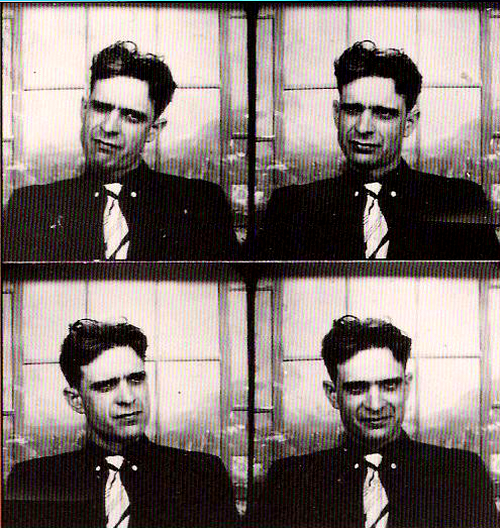
Slim Brundage’s life has been anything but average since the day he was born. From his birth in the mental asylum his mother worked at to his final days in California, Brundage spent much of his life on the move. After his mother’s passing when he was only 7, his father put him up for adoption to focus on his own career as a hippie and journalist. Brundage dropped out of grade school and at 14, he ran away. He slept wherever was cheapest and worked odd jobs to afford his survival. During this time, he had multiple stints in jail for petty crimes and his involvement in politics. He worked odd jobs, all of which were blue-collar, and had become active in worker’s unions, eventually becoming an organizer for the Industrial Workers of the World.
Despite a lack of traditional education, Brundage never stopped learning. Rather than enrolling in school, Brundage wanted to learn what he wanted to and used his experiences to structure his own education. He became increasingly active in the fight for worker’s rights and wanted a revolution of America’s current capitalist society.
After opening the College of Complexes, Brundage continued to work blue collar jobs as a house painter and railroad worker. When the College of Complexes closed in 1961, he moved to Guadalajara, Mexico where he worked as a house painter. He made frequent trips to Chicago where he continued to advocate for worker’s rights and eventually turned his attention to the fight for elder’s rights. He called for more programs aimed for elderly folk who were often written off from society as they aged.
He moved to southern California in the 1980s where he spent his days in a retirement home until his passing in 1990. He was 86.
Brundage’s life experiences heavily influenced his political stances and activism. Even as his age caught up to him, he was compelled to action and remained an advocate for free speech.